History

A Course Carved From What Came Before

Before there were fairways, this land was something else entirely.

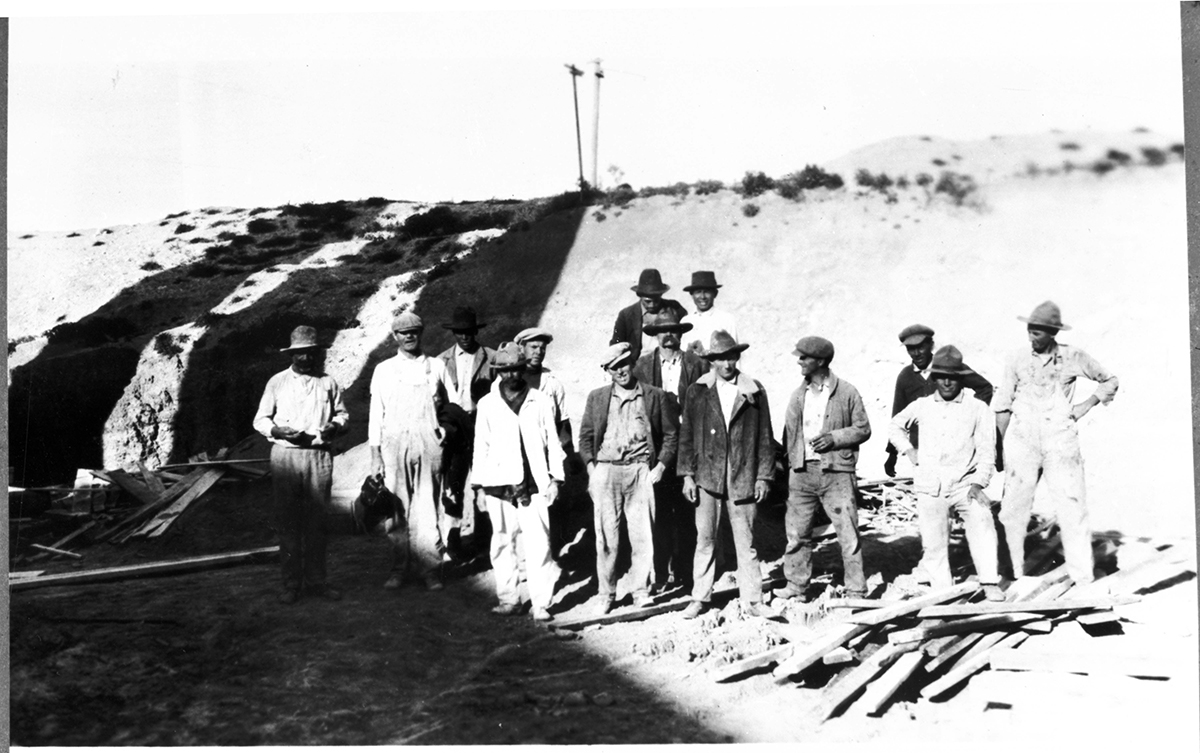
It was worked. Cut. Blasted. Shaped by hands and machines that took what the land offered and left their mark behind. Stone was pulled from the earth here, not gently, but honestly. The result wasn’t pretty—but it was real.

Most places would have tried to erase that past.
The Quarry chose to respect it.

When this land became a golf course, the goal wasn’t to smooth every edge or pretend the scars weren’t there. The goal was to see possibility in what already existed—to let the character of the land lead the design, not fight it. What had been carved away became elevation. What had been rough became challenge. What had been overlooked became unforgettable.

The Quarry was never meant to feel manufactured.
It was meant to feel revealed.

That philosophy still defines the experience today. Golf at The Quarry rewards thought, resilience, and creativity—not perfection. The course doesn’t hand you anything. It asks you to engage, adapt, and earn every good shot. Just like the land itself once demanded from those who worked it.

There’s a quiet respect built into the place. For the terrain. For the game. For the people who came before. You feel it standing on the tee, looking out over ground that carries a story deeper than scorecards and yardages.

The Quarry isn’t about flash or excess. It’s about substance.
About letting the natural features speak louder than artificial ones.
About honoring where you are, not masking it.

That mindset extends beyond the course. From how we care for the land, to how we welcome players, to how we see our role in the community—The Quarry exists to be authentic, grounded, and lasting. This isn’t a place built to chase trends. It’s a place built to endure.

Every round played here is part of an ongoing story—one that began long before golf, and continues every time someone steps onto the first tee. You’re not just playing a course. You’re stepping into a place shaped by effort, transformed by vision, and defined by character.

Some courses are designed to impress.
The Quarry was shaped to mean something.

And once you’ve played it, you can feel the difference.

125 years later

And the site keeps getting better

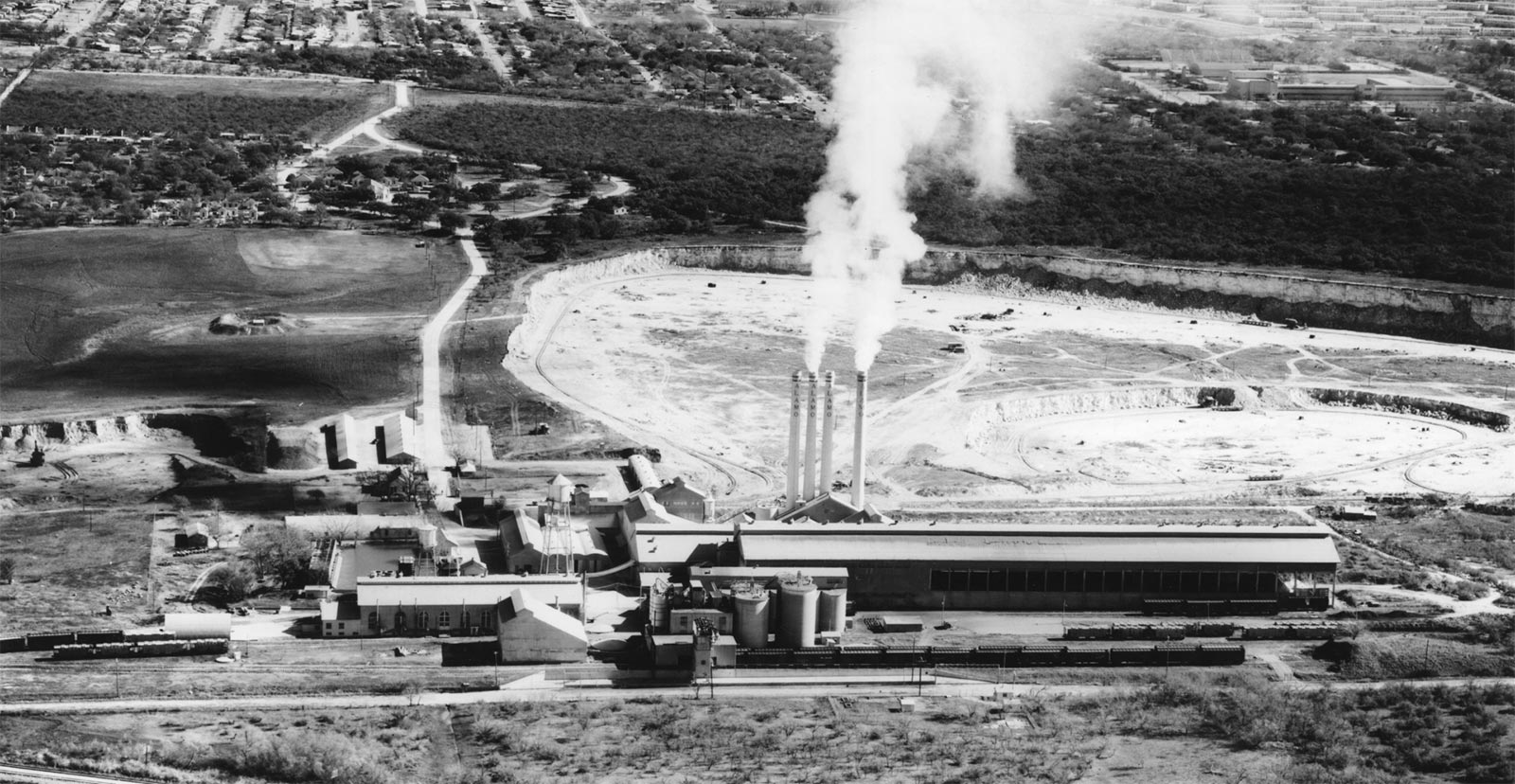
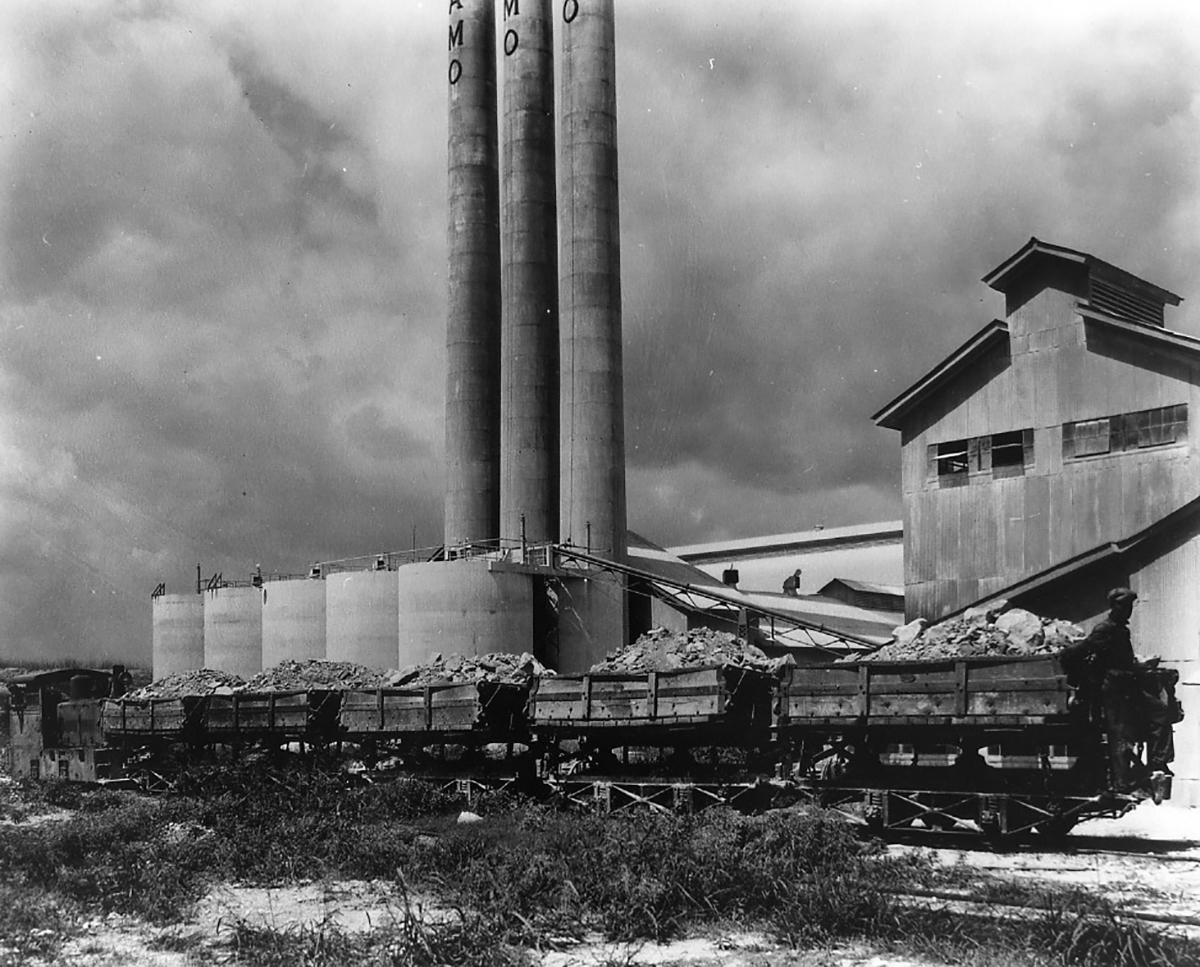
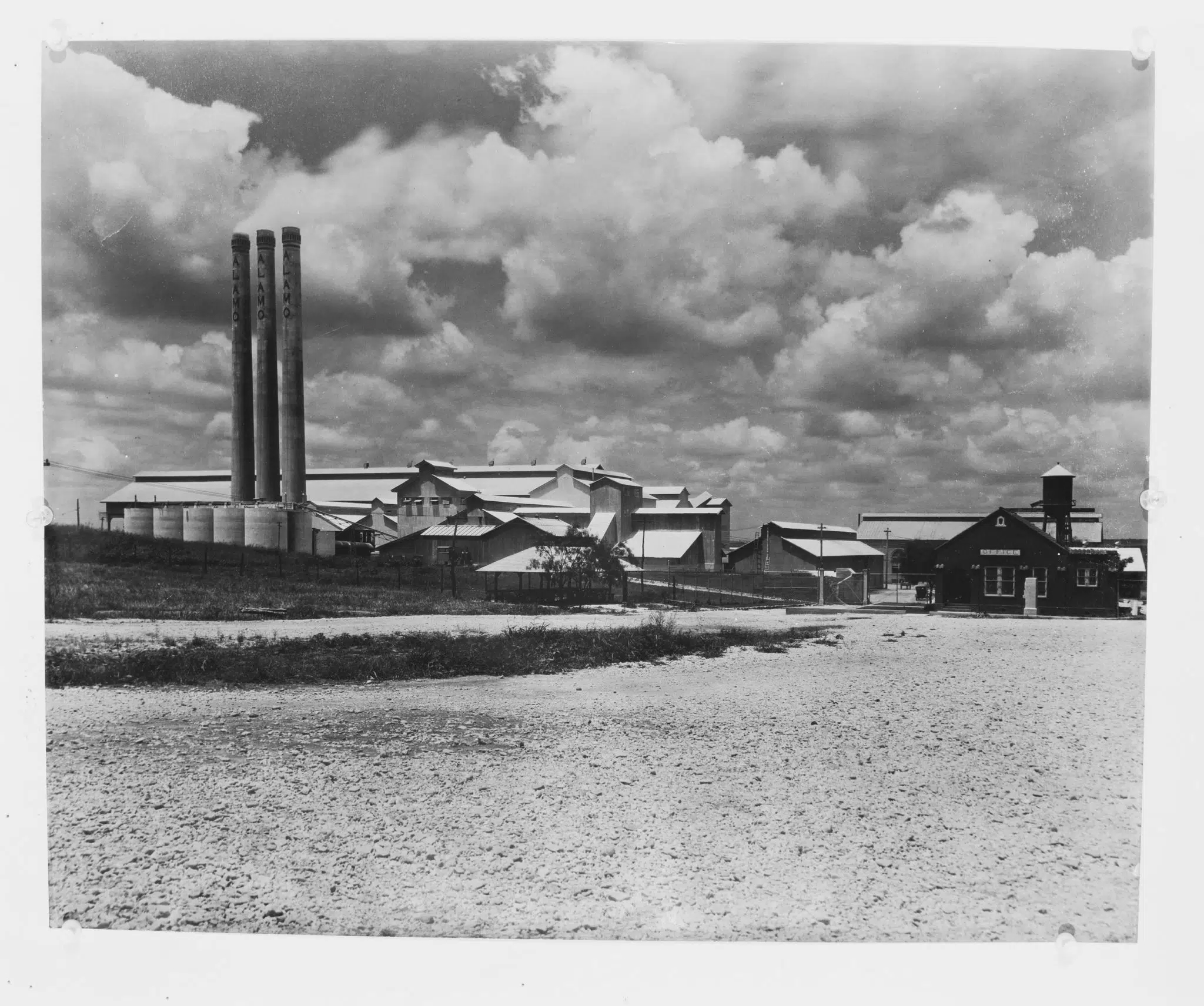
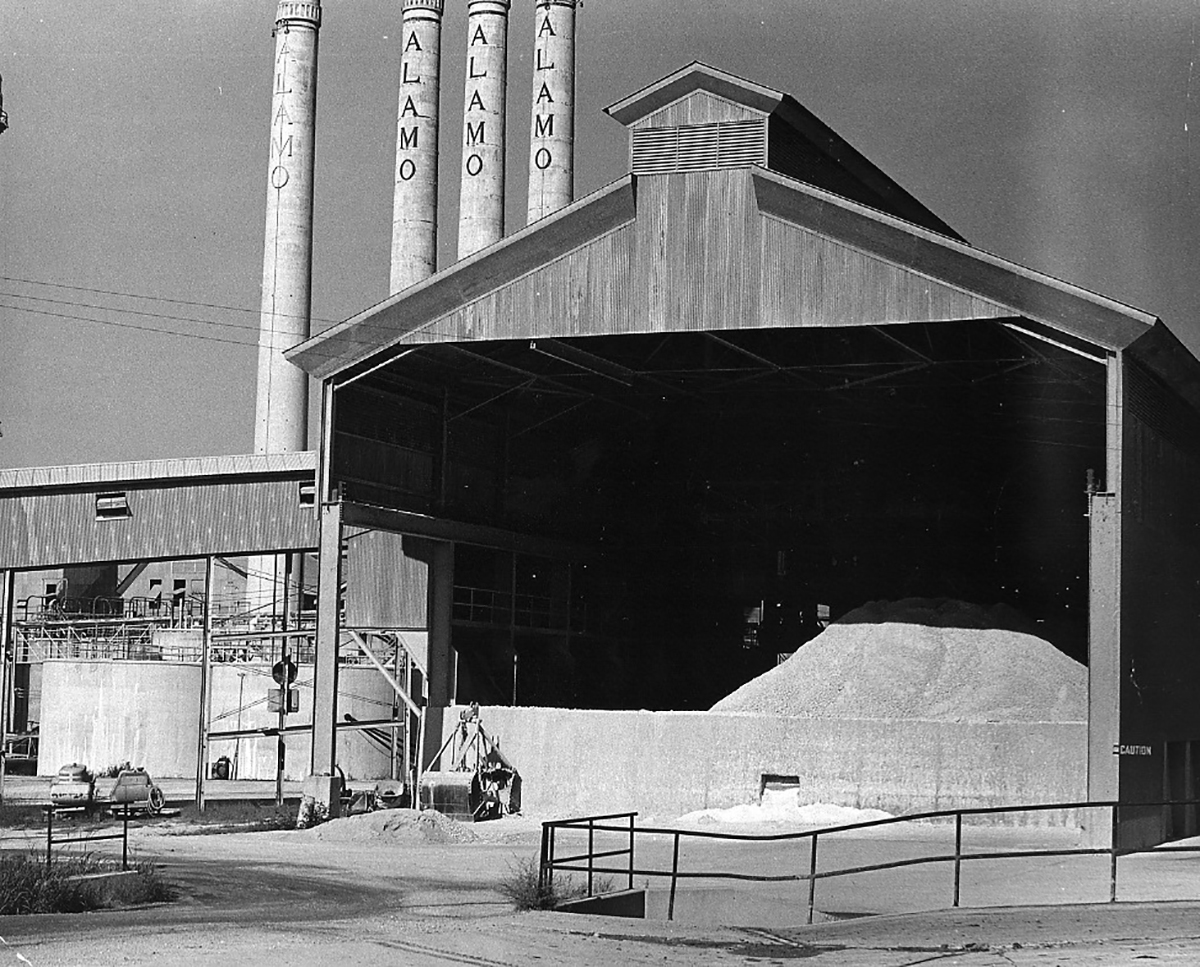
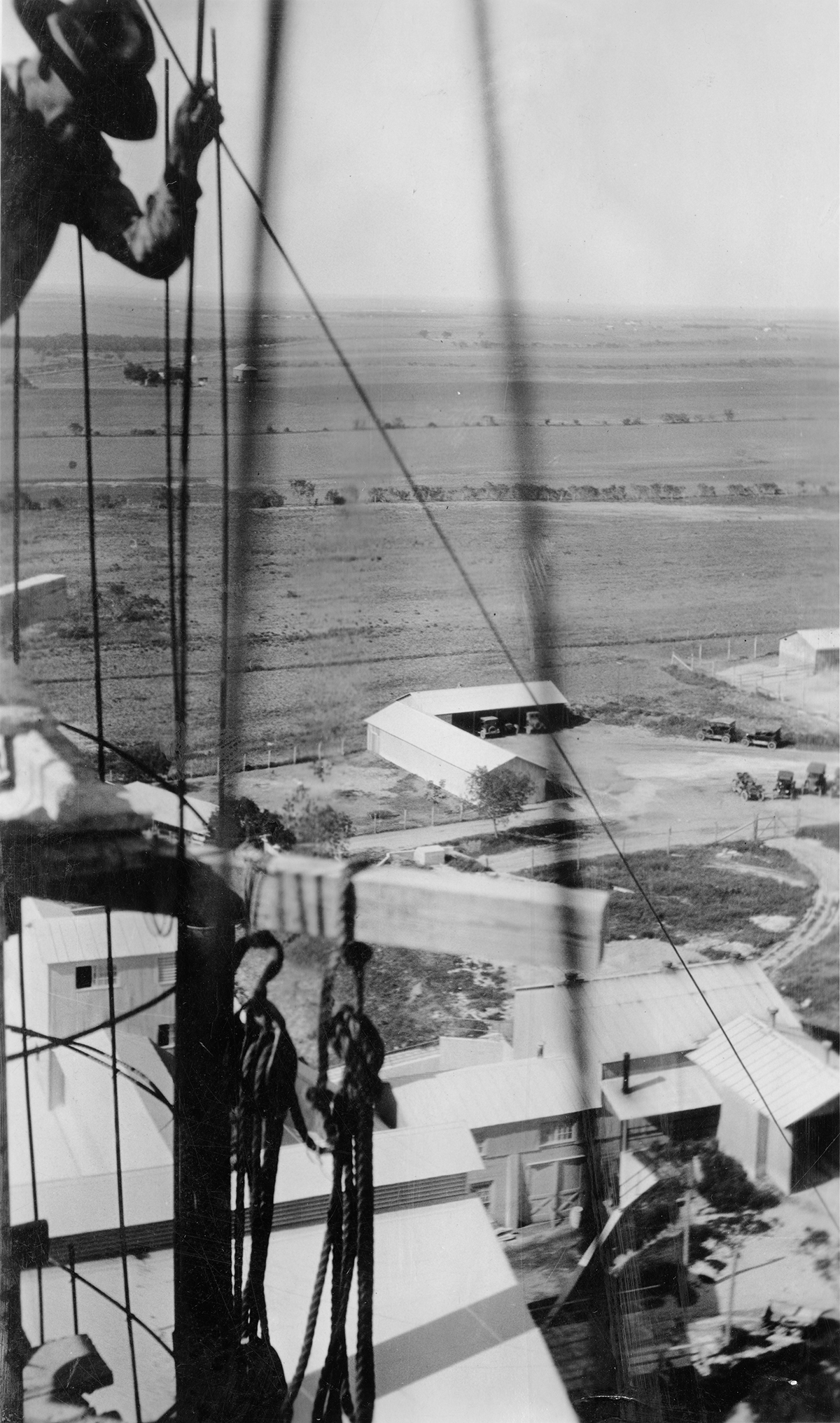
The most iconic remnants of the old Alamo Cement Co. plant are the landmark 200-foot smokestacks that still stand at the Alamo Quarry Market. These towering structures served a dual purpose: they created an updraft, drawing smoke and gases away from the factory floor and providing ventilation for workers who toiled under extreme heat while processing crushed rock. Moreover, these smokestacks made the industrial complex a visible landmark, able to be seen from miles away and a significant element of San Antonio’s 20th-century growth.

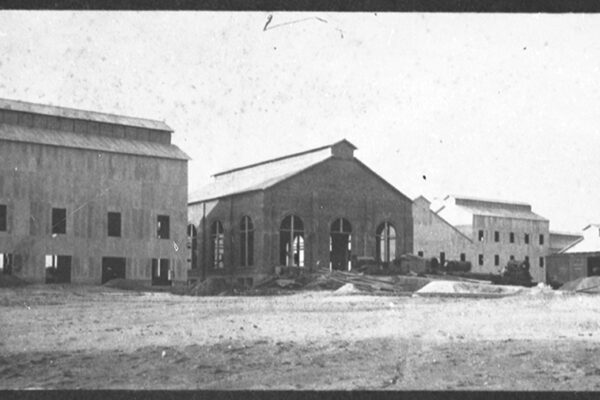
The history of cement production in San Antonio is intrinsically linked to the evolution of the Alamo Cement Co., its relocation to a remote location, the creation of Cementville, and the enduring legacy of the towering smokestacks that continue to define the cityscape. This industrial heritage underscores the city’s growth and the enduring impact of its industrial past on the community.

The People of Cementville

1908-1930

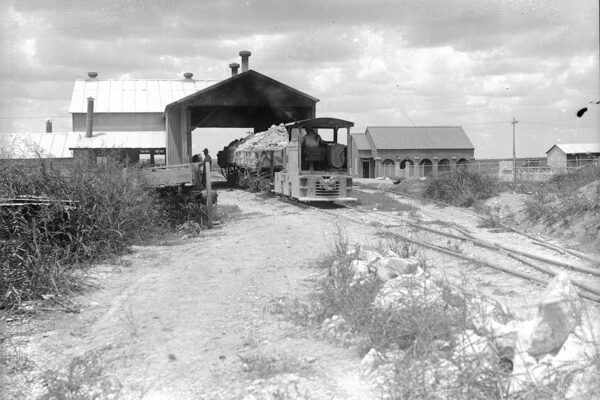
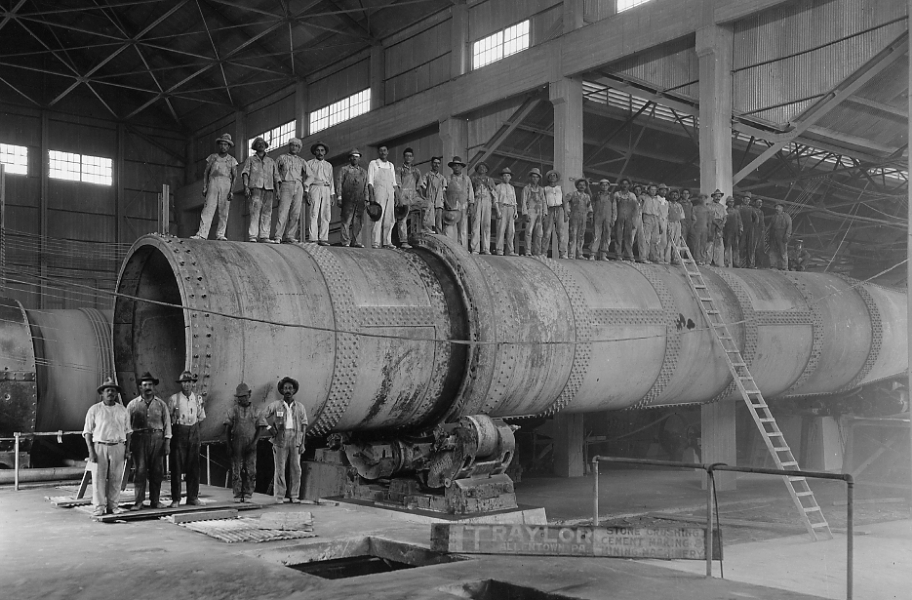
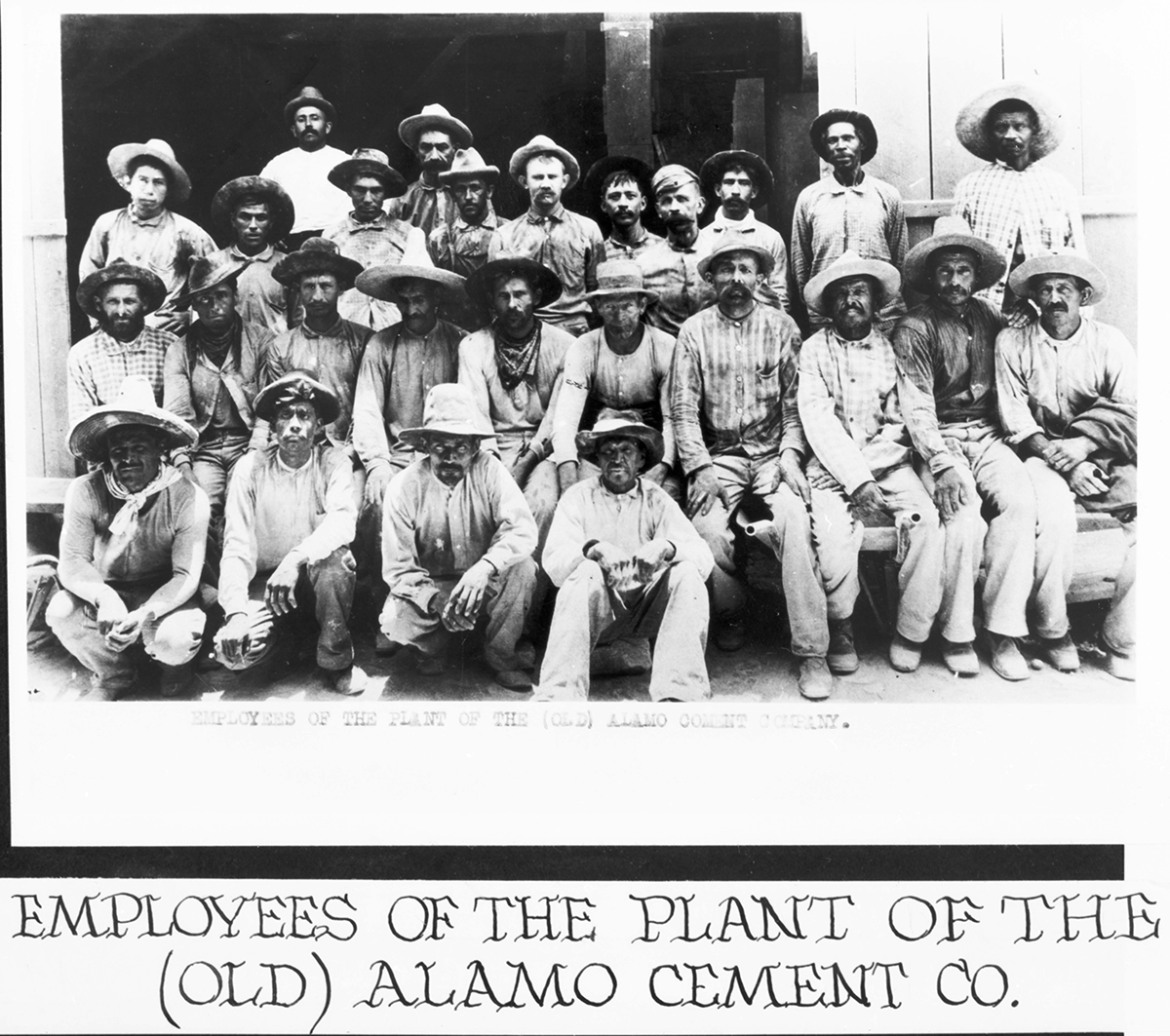
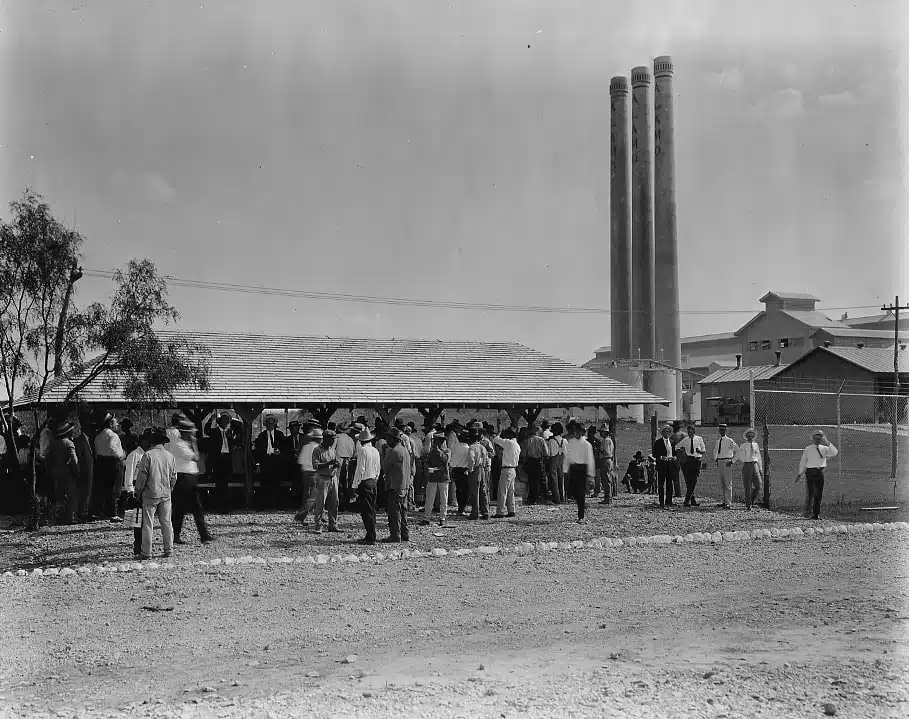
A once-thriving, predominantly poor Hispanic community that resided in the company town just west of Alamo Heights holds a treasury of memories and stands as a fascinating chapter in San Antonio’s cultural heritage. However, the passage of time has nearly obscured its existence, as the cement plant, quarry, and company village have been eclipsed by modern developments such as the Quarry Golf Course, the Lincoln Heights neighborhood, commercial structures, and bustling traffic. We proudly embrace and honor Cementville’s legacy. In 2018, during our clubhouse renovation, we prominently displayed historic photos of Cementville and its hardworking residents. When you play The Quarry, you’re not just playing golf; you’re stepping into a piece of history, connecting with the lives of those who once thrived in this vibrant community.

Timeline

1908

Portland Cement became alamo cement

The Quarry site starts excavation

1935

Cement Plant Shuts Down

1993

The Quarry Golf Course is Built

Designed by Keith Foster and originally developed by Jack Parker

2007

New Ownership

Quarry Golf Management, LLC owns and operated the club

2024

Renovation

Renovation to Tiff 3D greens, fully renovated clubhouse, and addition of The Cementville Icehouse